Plastic Material Selection Guide
Which material is suitable for your project? CNC machining VS. Injection Molding.
CNC Machining Manufacturer in China
Material Selection Application Policy
Material selection is a crucial step in component design. The goal is to select the most suitable materials that enable products, equipment, and structures to operate as needed, have an expected lifespan, and can be produced at cost, rather than achieving good profit margins.
Usability of materials
We evaluate how each plastic performs in your operating environment – temperature, chemical exposure, mechanical load and wear – to ensure the material meets your functional requirements over the full service life of the part.
Craftsmanship of materials
We assess how each grade behaves during CNC machining – chip formation, heat sensitivity and dimensional stability – to select materials that machine cleanly and hold tolerances down to +/-0.01mm.
Economy of materials
We balance material cost against machining time, tool wear and scrap rates to recommend the most cost-effective grade that still meets your performance requirements – no over-specifying expensive plastics.
Because We Can
China-Based Strengthen
Manufacturing Network.
Leland owns factories and works with highly vetted partners in China. This extensive network allows for fast production and scalable capabilities for custom plastic and metal parts, ensuring high quality and reliability for all your projects
Years Experience
We always adhere to the machining industry and serve our customers
Tight Tolerance
Strict production control with tight tolerances ensures that the quality meets the usage requirements
Customers
Reliable customer support keeps us moving forward
Lead Time
Stable delivery schedule to ensure that customer usage is not affected
CNC Machining Manufacturer in China
Materials selection process
By adopting strict methods in the material selection process and focusing on selecting materials that optimize product performance, reliability, and cost.
Performance Decoding
We work with customers to analyze the working conditions of parts , and translate functional requirements into specific material performance indicators (such as strength, hardness, wear resistance, corrosion resistance, fatigue strength, thermal conductivity, etc.).
DFM Collaboration
Consider the compatibility between materials and processing techniques in advance. For example, discussing the differences in machinability, heat treatment deformation, surface treatment, and other aspects between different materials (such as aluminum alloy vs. stainless steel), and providing suggestions for design
Full Lifecycle Cost
Not only considering the unit price of materials, but also comprehensively evaluating processing costs, post-processing costs, and potential failure costs, providing customers with a total holding cost analysis.
CNC Machining Material Available
Our team has years of experience working with engineering plastics such as UHMW, nylon, PTFE, Delrin, and PEEK. Every component is produced under strict quality control to ensure the highest level of consistency and performance. From prototypes to small-batch production, we deliver precision plastic machining that supports industries including medical, aerospace, automotive, and electronics.
Plastic Material Comparison Chart
Use this chart to shortlist materials by strength, temperature and chemical resistance. Click any material for its full machining guide, or send us your drawing for a free material recommendation.
| Material | Strength | Max Temp | Chemical Resist | Cost | Best For |
|---|---|---|---|---|---|
| PEEK | High | 260°C | Excellent | $$$$$ | Medical, Aerospace |
| PTFE | Medium | 260°C | Best | $$$ | Chemical, Food |
| POM | High | 100°C | Good | $$ | Gears, Bearings |
| PBI | Very High | 340°C | Excellent | $$$$$ | Extreme Environments |
| PPSU | High | 180°C | Excellent | $$$$ | Medical, Sterilizable |
| PCTFE | Medium | 150°C | Excellent | $$$$ | Cryogenic, Semiconductor |
| FR4 / G10 | High | 140°C | Good | $$ | Electrical, PCB |
| Nylon (PA6) | High | 120°C | Fair | $ | General Mechanical |
Cost is relative: $ = economical, $$$$$ = premium. Values are typical grades; confirm against your specific datasheet.
In-Depth Material Machining Guides
Explore our dedicated guides for high-performance and hard-to-machine plastics:
- PBI CNC Machining
340°C extreme-temperature parts - PPSU CNC Machining
Medical, sterilizable components - PCTFE Machining
Cryogenic and semiconductor seals - FR4 / G10 CNC Machining
PCB and electrical insulation
Material Selection FAQ
How do I choose the right plastic material for my CNC machined part?
Start with your operating environment: continuous temperature, chemical exposure, mechanical load and wear. Then match those requirements to material properties using our comparison chart above. Finally, factor in machinability and budget. Our engineers provide a free DFM review and material recommendation with every quote – just send your drawing.
What is the strongest plastic for CNC machining?
PBI (polybenzimidazole) offers the highest tensile and compressive strength of any machinable thermoplastic, roughly 60 percent stronger than PEEK. For most high-strength applications below 250 degrees C, PEEK provides the better balance of strength, machinability and cost.
Which plastic withstands the highest temperatures?
PBI operates continuously at 340 degrees C, the highest of any machinable plastic. PEEK and PTFE both handle 260 degrees C continuous. For short-term or lower-load high-temperature use, PI (polyimide) and PPS are also strong candidates.
What plastic is best for medical device components?
PEEK and PPSU are the top choices for medical CNC parts. Both are biocompatible (USP Class VI), withstand repeated autoclave sterilization, and machine to tight tolerances. PPSU is often preferred for instruments requiring thousands of sterilization cycles.
PEEK vs PTFE vs POM – how do I choose between them?
Choose PEEK for high temperature and strength (medical, aerospace). Choose PTFE for unmatched chemical resistance and low friction (seals, food, chemical). Choose POM (Delrin) for precision gears and bearings where cost matters and temperatures stay below 100 degrees C.
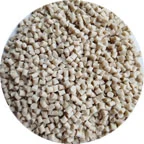
PEEK Material
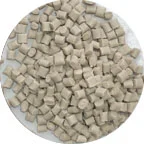
PPS Material
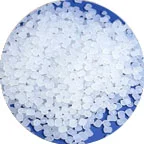
PVDF Material

PMMA Material
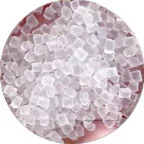
PCTFE Material
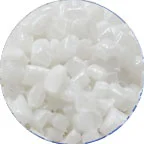
PC Material

PEI Material
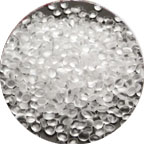
POM Material
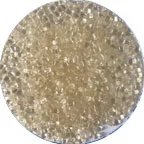
PSU Material

PAI Material
ABS Material
PVC Material
PI Material
PA6 Material
G10 Material
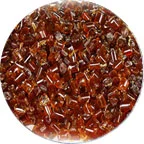
PTFE Material
PET Material
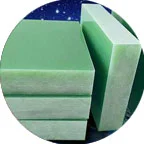
FR4 Material
CNC Machining Tolerance
Our CNC machining capabilities deliver precision tolerances down to ±0.01mm, adhering to ISO 2768-mK standards for dimensional consistency. This ensures seamless component mating and optimal functional performance across all machined parts.
| Min Wall Thickness | 0.5mm |
| Min End Mill Size | 0.5mm |
| Min Drill Size | 1mm |
| Maximum Part Size | CNC Milling: 4000×1500×600 mm CNC Turning: 200×500 mm |
| Minimum Part Size | CNC Milling: 5×5 ×5 mm CNC Turning: 2×2 mm |
| Lead Time | 15 bussiness days for most projects. Delivery of simple parts can be as fast as 1 day. |
CNC Machining Manufacturer in China
Design Guidelines for CNC Machining
Optimize your designs for CNC manufacturability with our expert guidelines. Our engineering team provides DFM (Design for Manufacturing) feedback to ensure optimal performance, cost efficiency, and precision in custom machined parts.
|
Plastic CNC Machining Solutions
Whether you’re creating a small batch of custom parts or scaling up for high-volume production, Leland custom CNC machining services offer the flexibility you need.
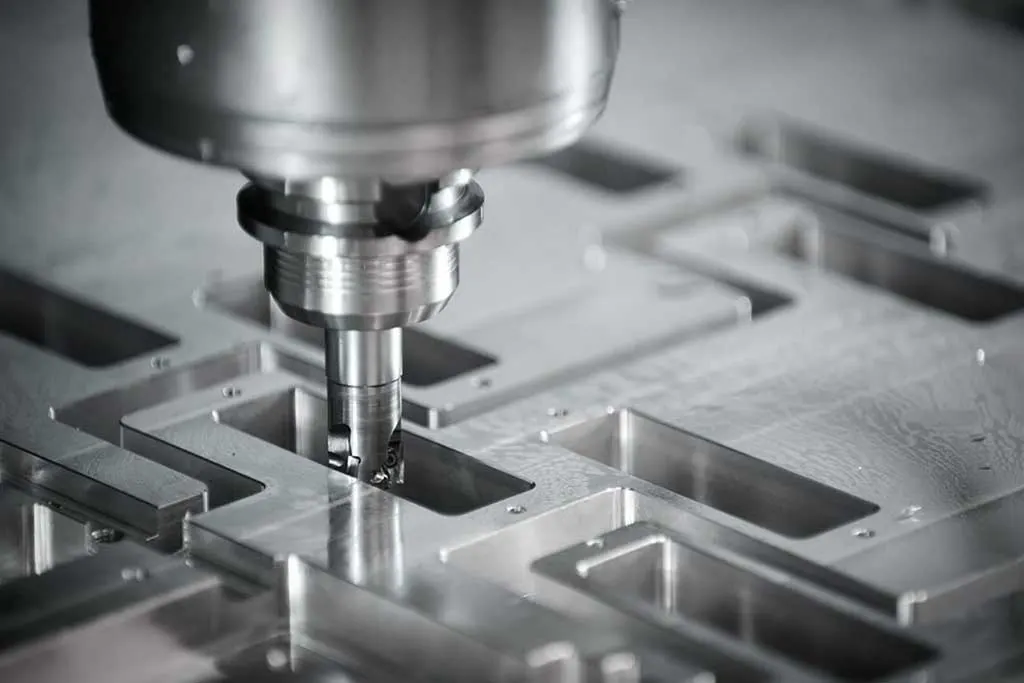
Rapid Prototyping
CNC rapid prototype machining is perfect for creating engineering or production prototypes that closely resemble the final product in both appearance and functionality. At Leland, we offer instant quotes and fast delivery, providing you with precise, high-quality CNC machined prototypes for your needs.
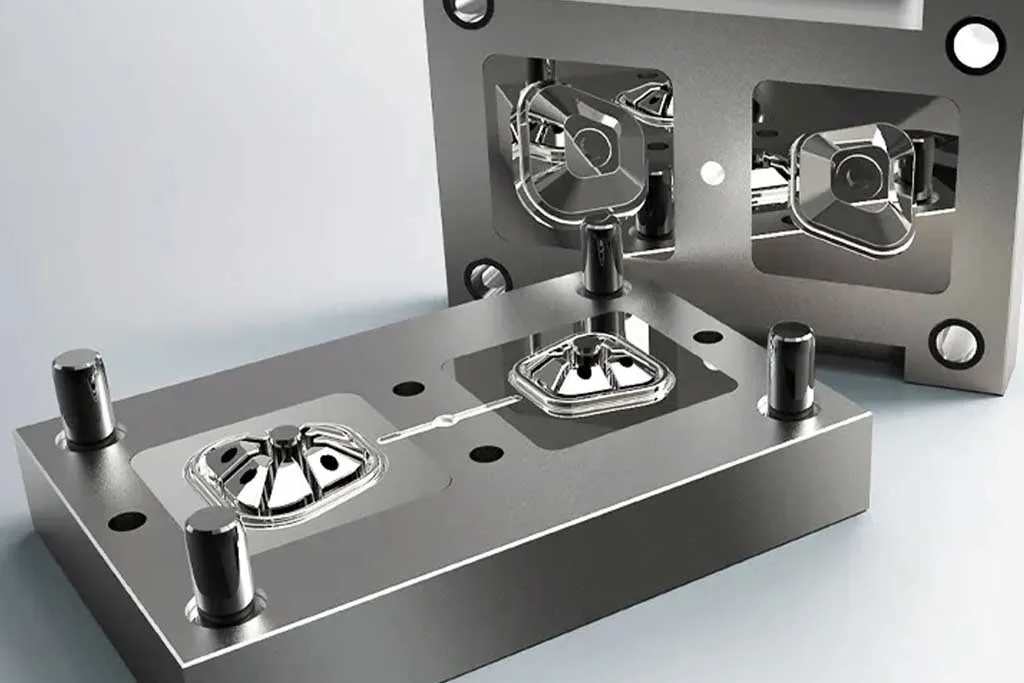
Low Volume Manufacturing
Low volume CNC machining often acts as a bridge between prototyping and mass production for new and emerging production. With , this process becomes easier, more efficient, and cost-effective, allowing you to scale production quickly while maintaining high-quality standards.
End-use Production
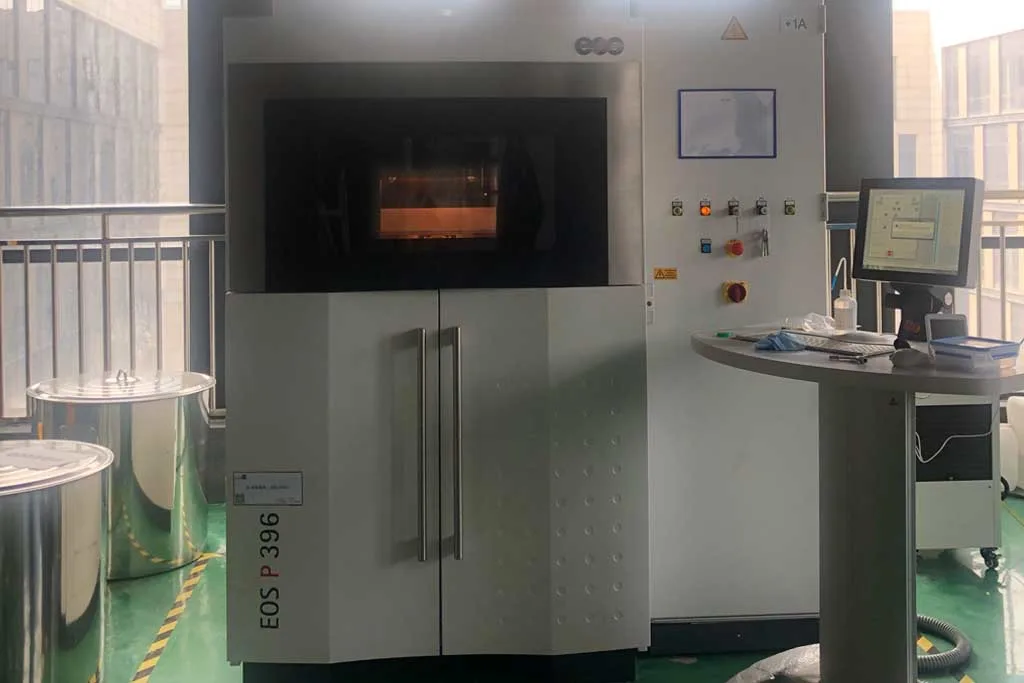
CNC production machining is the best solution for producing a thousand parts or more efficiently. Leveraging a diverse selection of materials and automation and multi-axis capabilities, Leland delivers high-volume production with tight tolerances, superior dimensional accuracy, high reliability and fast turnaround times.
CNC Machining for Various Industries
Whether you’re creating a small batch of custom parts or scaling up for high-volume production, Leland custom CNC machining services offer the flexibility you need.

Aerospace

Medical

Automotive

Robotics

Automation
Semiconductor
CNC Machining FAQS
Leland will regularly share some knowledge and information about customized plastics CNC machining, Sheet Metal Fabrication, Injection Molding and how to operate 4-axis and 5-axis CNC machines to get the best-machined precision solutions.
A: CNC machining is a manufacturing process that uses computer-controlled machines to produce high-precision, complex parts with tight tolerances and exceptional surface finishes.
A: We can machine a wide range of materials, including aluminum, steel, high-performance alloys, and plastics, to meet the unique needs of our clients.
A: We serve a wide range of industries, including aerospace, medical, automotive, and energy, to name a few.
A: We offer a range of CNC machining services, including milling, turning, drilling, and tapping, to meet the unique needs of our clients.
A: Our turnaround time depends on the complexity and volume of the project, but we are committed to delivering high-quality parts as quickly and efficiently as possible.
A: Yes, we offer design and engineering support to ensure that the final product meets our clients’ exacting standards.
A: Our rigorous quality control system ensures that every part we produce meets the highest standards of quality and accuracy.
A: Yes, we offer various secondary operations, such as heat treating, surface finishing, and assembly, to provide our clients with a complete solution for their manufacturing needs.
A: Contact us today to learn more about our services and how we can help bring your products to market faster and more cost-effectively.
TOP CNC Machining Manufacturer in China
Advantages of CNC Machining
PlasticPartsCustom’s customized plastic parts machining has the following advantages:
1.Multi-axis control:
Multi-axis linkage is machined, mainly based on four-axis and five-axis machines. By increasing the swing angle and increasing rotation coordinates to make an NC machining center with four-axis linkage and five-axis linkage.
2. Parallel machine tools:
The functions of plastic machining centers are relatively fixed. Vertical machining centers, horizontal machining centers, or combine machining centers, turning centers, etc. to form a processing system, which increases the machining range and machining capacity.
3.Tool breakage alarm:
We use infrared, acoustic emission, laser, and other detection methods to detect the tools. When CNC machining tools are found to be worn, damaged, etc., the machine will alarm promptly, automatically compensate or replace spare tools to ensure the quality of machined plastic parts, and avoid mass scrapping.
4.Tools for life management:
Unified management of multiple blades on a tool, or several machining tools working at the same time, to improve precision-machining efficiency.
5.Processing dynamic entity simulation:
During processing, the CNC machining plastics state of the workpiece can be observed at any time to prevent undesirable phenomena in processing, such as punching, over-cutting, unsharpness, unreasonable steps, etc.
6.On-line inspection of workpieces:
PlasticPartsCustom uses the imported Renishaw measuring systems to detect the workpieces in real-time during the plastics customized NC machining and to find and correct errors in time. This function can effectively avoid the problems of re-clamping and positioning caused by unqualified inspection, shortening production time, improving production efficiency, and reducing scrap rate.
7.Adaptive control:
Through the adaptive control system, the machined tool can be controlled to change the cutting amount in time, so the machining is always in the best condition, to obtain higher plastics machining efficiency and processing quality, and extend the service life of the tool.
Put your parts
into production today
All information and uploads are secure and confidential.