PC Polycarbonate CNC Machining Services
Custom Polycarbonate Parts Manufactured to Tight Tolerances with Fast Lead Times.
STEP / STP / IGS / X_T accepted · NDA available
What Is Polycarbonate (PC)?
Machining of PC
Polycarbonate (PC) is a high-performance transparent thermoplastic known for its exceptional impact strength, optical transparency, and dimensional stability.
Compared to acrylic (PMMA), polycarbonate provides significantly higher toughness and impact resistance while maintaining excellent transparency.
Please contact our sales and technical teams to learn about how we can provide high-quality machining PC Engineering plastic services at a fair and competitive price.
Key Properties of PC Material
| Property | Typical Value |
| Light Transmission | Up to 89% |
| Service Temperature | 115–125°C |
| Tensile Strength | 60–70 MPa |
| Density | 1.20 g/cm³ |
| Impact Strength | Excellent |
| Weather Resistance | Good |
| Electrical Insulation | Excellent |
| Transparency | Excellent |
Why Choose Polycarbonate for Precision Components?
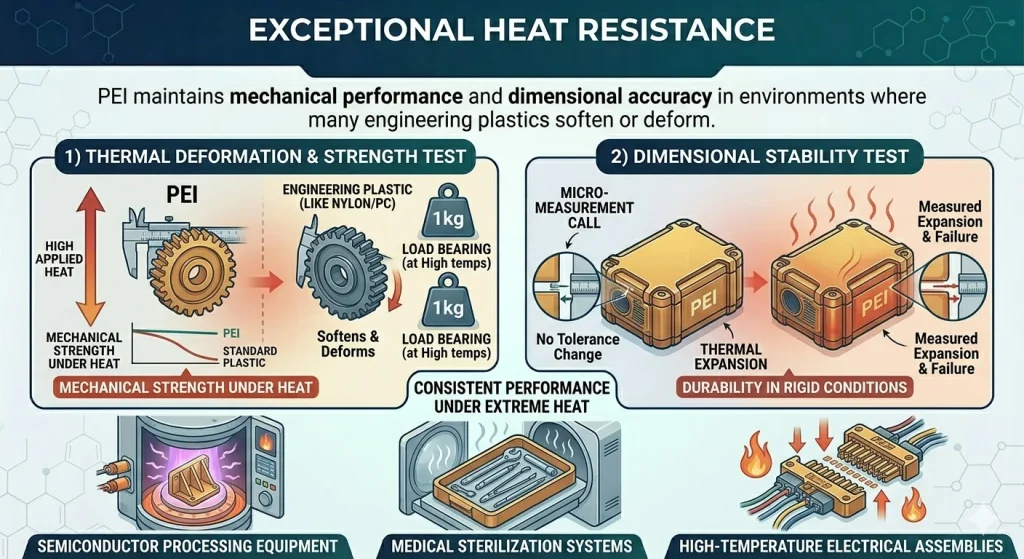
Exceptional Impact Resistance
Polycarbonate is one of the toughest transparent engineering plastics available.
Ideal for:
- Safety guards
- Protective covers
- Impact-resistant housings
- Machine enclosures
High Optical Transparency
Light transmission up to approximately 89%. Applications:
- Viewing windows
- Inspection covers
- Optical housings
- Display panels
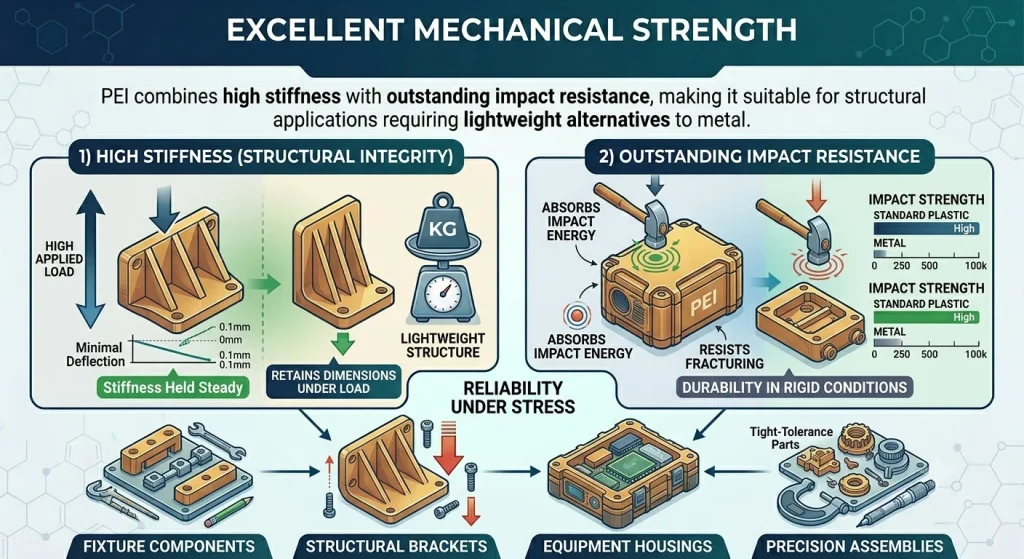

Excellent Dimensional Stability
Maintains accuracy across a wide range of operating conditions.
Suitable for:
- Precision assemblies
- Laboratory equipment
- Medical devices
Electrical Insulation Properties
Widely used in:
- Electrical housings
- Control panels
- Connector systems
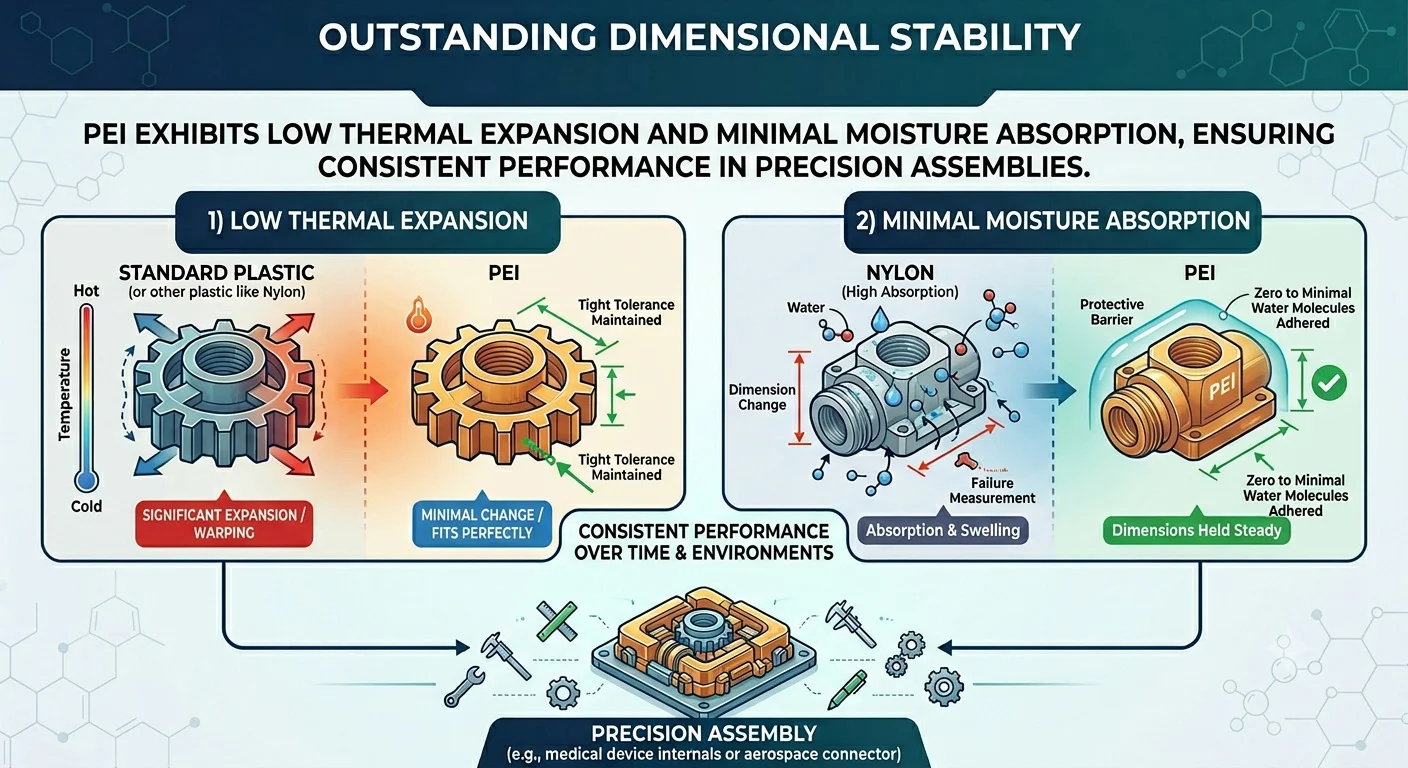
Polycarbonate Machining Capabilities
Welcome to PlasticPartsCustom, your trusted partner for high-performance PC machining capabilities. Our state-of-the-art CNC machines and experienced team of engineers and technicians enable us to produce high-precision, complex parts with tight tolerances and exceptional surface finishes, using PC, a high-performance engineering thermoplastic.

CNC Milling
Our multi-axis machining centers produce complex PC components with tight tolerances and excellent repeatability.

CNC Turning
We manufacture precision rotational PC components including:Bushings, Sleeves, Spacers, Insulators, Connector Components
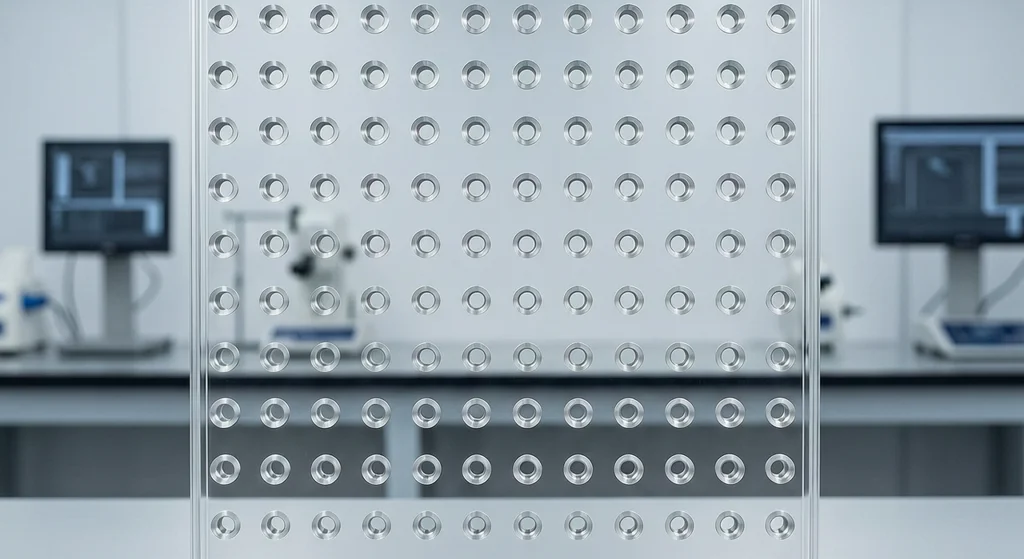
Precision Hole Machining
For applications requiring accurate alignment and assembly:Reamed Holes
Threaded Features, Precision Bores, Tight Positional Tolerances
PC Grades We Machine
General-Purpose Polycarbonate
The most commonly used grade for industrial applications.
Applications:
- Equipment covers
- Machine guards
- Transparent housings
Optical Grade Polycarbonate
Provides superior transparency and minimal optical distortion.
applications:
- Optical instruments
- Inspection windows
- Analytical equipment
UV-Stabilized Polycarbonate
Enhanced resistance to outdoor weathering and sunlight exposure.
Applications:
- Outdoor enclosures
- Signage systems
- Lighting equipment
Flame-Retardant Polycarbonate
Designed for electrical and electronic applications.
- Control cabinets
- Electrical housings
- Electronic equipment
Medical Grade Polycarbonate
Suitable for healthcare and laboratory environments.
- Medical device housings
- Diagnostic equipment
- Laboratory instruments
PC Parts We Manufacture
Our PC machining services support a wide range of custom applications.
Semiconductor Components
- Surgical instrument parts
- Sterilization trays
- Diagnostic equipment components
- Medical housings
Laboratory Equipment Components
- Flow cells
- Fluid manifolds
- Analytical instrument parts
- Test chambers
Water Treatment Components
- Valve bodies
- Pump components
- Filtration system parts
Food Processing Equipment Components
- Fluid contact parts
- Inspection windows
- Processing system components
Electrical Components
- Insulators
- Terminal blocks
- Connector housings
Common PC Machining Challenges We Solve
Our PC machining services support a wide range of custom applications.
Preventing Internal Stress
Optimized machining strategies reduce stress and dimensional changes.
Maintaining Tight Tolerances
Precision fixturing and process control improve consistency.
Surface Finish Optimization
Specialized tooling improves appearance and functionality.
Complex Fluid Handling Features
Experience machining manifolds, chambers, and precision flow paths.
Quality Assurance
Every PC component is manufactured under our ISO 9001:2015 quality management system.
Inspection equipment includes:
Mitutoyo CMM
Digital Height Gauges
Micrometers
Calipers
Optical Measurement Equipment
Available documentation:
Material Certificates Certificate of Conformance (COC) First Article Inspection (FAI) Dimensional Inspection Reports
Why Engineers Choose PlasticPartsCustom
| Tight Tolerance Expertise Achievable tolerances up to ±0.01mm. |
| No MOQ Requirements From a single prototype to low-volume production runs. |
| Fast Turnaround Typical prototype lead times from 5–7 working days. |
| Material Expertise Extensive experience machining PC , PEEK, POM, PTFE, PPS, and other engineering plastics. |
| Reliable Quality Consistent production supported by ISO 9001:2015 procedures and in-process quality control. |
Industries We Serve
- Semiconductor Equipment
- Medical Devices
- Industrial Automation
- Aerospace
- Electronics
- Scientific Instruments
- Energy Systems
PC (Polycarbonate) vs PEEK: Which High-Performance Plastic Should You Choose?
PC (polycarbonate) and PEEK are both strong engineering plastics, but they serve very different application ranges. This comparison helps you decide which material fits your project.
| Property | PC (Polycarbonate) | PEEK |
|---|---|---|
| Max Service Temperature | 120-130°C | 250°C (480°F) |
| Impact Resistance | Excellent (250x stronger than glass) | Good |
| Tensile Strength | 60-70 MPa | 95-100 MPa |
| Light Transmission | 85-90% transparent | Opaque (natural beige) |
| Chemical Resistance | Good (oils, greases) | Excellent |
| Wear Resistance | Moderate | Excellent |
| Moisture Absorption | Low (0.15%) | Very Low (0.1%) |
| UV Resistance | Poor (requires UV stabilizer) | Good |
| Machinability | Excellent | Good (requires experience) |
| Relative Cost | $$ | $$$$ |
| Best For | Safety shields, machine guards, medical device housings, transparent components, high-impact structural parts | Medical implants, semiconductor parts, aerospace components, extreme temperature and chemical environments |
Choose PC (Polycarbonate) if you need exceptional impact resistance, optical transparency, and a cost-effective material for housings, guards, and medical devices operating under 130°C. Choose PEEK if your application requires continuous operation at high temperatures (up to 250°C), superior chemical resistance, or biocompatibility for medical implants.
Not sure which material fits your project? Send us your drawing for a free material recommendation.
Related Materials
Explore other engineering plastics we machine:
| Material | Key Properties | Best For |
|---|---|---|
| PMMA (Acrylic) | Superior optical clarity, UV resistant | Optical lenses, displays, signage |
| PEI (Ultem) | Higher temp 170°C, flame retardant | Aerospace, medical, high-heat |
| PEEK | Ultra-high performance, 250°C | Medical implants, extreme environments |
PC CNC Machining Design Guidelines
Polycarbonate is one of the most forgiving engineering plastics to machine, but a few design decisions directly affect part cost, optical clarity, and dimensional stability. The guidelines below reflect how our engineers review PC drawings before quoting.
Wall Thickness and Section Design
Unlike injection molding, CNC machining does not require uniform walls, so PC parts can combine thick bosses with thin panels. For reliable machining we recommend keeping free-standing walls at 1.5 mm or above; walls under 1 mm can chatter, deflect under clamping pressure, or accumulate internal stress. For transparent parts, keep section changes gradual — abrupt thickness transitions show up as visible stress lines after polishing.
Corner Radii and Internal Features
Use an internal corner radius of at least 0.5 mm, ideally matching a standard end-mill radius. Sharp internal corners concentrate stress and are the most common origin of environmental stress cracking in PC. Where a sharp corner is functionally unavoidable, we add a relief radius on the non-functional side and anneal the finished part.
Holes, Threads and Fastening Features
- Drill with sharp, polished-flute drills; ream holes above Ø25 mm or when positional tolerance is tighter than ±0.05 mm.
- Machined threads work well from M2 upward; for repeated assembly and disassembly, specify heat-set or ultrasonic inserts instead — PC creeps under sustained clamp load.
- Avoid over-torquing fasteners in tapped PC; use torque-limiting drivers and document limits on the assembly instruction.
- For press fits against metal shafts, allow for PC’s relatively high thermal expansion (approximately 65–70 ×10⁻⁶/°C).
Tolerance and Fit Design
Our standard machining tolerance for PC is ±0.10 mm; critical features hold ±0.01 mm with in-process CMM verification. Because PC expands about six times more than steel, tell us the operating temperature range for precision fits — we compensate dimensions to a 20 °C reference and record it on the inspection report.
Recommended Machining Parameters for PC
Most PC machining defects — gumming, melted edges, stress cracks, cloudy surfaces — trace back to heat. Our process control keeps cutting heat out of the part.
Cutting Tools
We use sharp, polished-flute solid carbide tools for all PC work. Dull tools rub instead of shear, generating friction heat that melts the surface and locks stress into the part. For optical parts, tools are inspected and reground on a fixed schedule rather than run to failure.
Speeds and Feeds
Typical carbide surface speeds for PC run 300–500 m/min with a healthy chip load so the tool shears cleanly instead of rubbing. Light, multiple finishing passes remove stock without heating thin walls. Parameters are verified on first articles and locked into the traveler for repeat orders.
Cooling, Clamping and Stress Control
Preferred cooling is a directed air blast or mist, which avoids coolant residue on optical surfaces. When liquid coolant is needed, we use non-aromatic, water-soluble types — aromatic coolants and solvents attack PC and trigger stress cracking. Workholding uses soft jaws, low clamping force, and fixtures that spread pressure over large areas.
Annealing After Machining
Parts with tight tolerances or transparent requirements are annealed after roughing and again after finishing: heated to roughly 120–130 °C, soaked, then slow-cooled. Annealing relaxes machining stress, stabilizes dimensions, and dramatically reduces the risk of later environmental stress cracking.
Surface Finishing Options for Machined PC
As-Machined
With sharp tooling, as-machined PC typically reaches Ra 0.8–1.6 µm with a near-transparent cut surface. This is the default and most economical finish for structural and electrical parts.
Mechanical Polishing
Buffing with progressively finer compounds restores full optical clarity to machined faces and edges. Recommended for viewing windows, lens brackets, and display components.
Vapor Polishing
Solvent vapor smoothing melts a micro-layer of the surface, sealing tool marks and returning machined parts to glass-like clarity, including internal passages that cannot be buffed. Performed in a controlled environment with full ventilation and PPE.
Coating, Printing and Bonding
For outdoor use we offer UV-stable hard coatings that prevent yellowing and add scratch resistance. PC bonds well with PC-compatible adhesives (solvent and UV-cure types) and accepts screen printing and painting after corona or flame treatment.
PC vs Acrylic (PMMA): Which Transparent Plastic Should You Choose?
PC and acrylic are the two default choices for transparent machined parts. They look similar on the drawing but behave very differently in service.
| Property | PC (Polycarbonate) | PMMA (Acrylic) |
|---|---|---|
| Light transmission | 88–90% | 92% |
| Impact resistance | Exceptional (about 30× acrylic, 250× glass) | Low, brittle |
| Continuous service temp | 115–125 °C | 70–80 °C |
| Scratch resistance | Moderate (hard-coat available) | Better |
| UV / outdoor stability | Needs UV-stabilized grade or coating | Excellent, does not yellow |
| Machinability | Excellent, tough and ductile | Excellent, crisp cut but edge chipping |
| Relative cost | $$ | $ |
Choose PC when the part must survive impact, vibration, or temperatures above 80 °C — machine guards, medical housings, protective windows. Choose acrylic when pure optical clarity, outdoor weathering, and lowest cost matter more than toughness — displays, lenses, signage, light guides.
CNC Machining vs Injection Molding for PC Parts
| Factor | CNC Machining | Injection Molding |
|---|---|---|
| Upfront cost | None (no tooling) | Mold tooling $3k–$30k+ |
| First parts | 5–7 days | 4–8 weeks including tooling |
| Unit cost | Higher per part | Very low at volume |
| Design changes | Free (edit the CAD) | Expensive mold modifications |
| Best volume | 1 to about 1,000 pcs | 1,000+ pcs |
| Material properties | Isotropic, stress-relieved stock | Molded-in stress, weld lines |
For prototypes, bridge production, and low-volume equipment parts, CNC machining is almost always cheaper and faster once tooling is accounted for. Molding becomes economical only after the per-part savings repay the mold — typically beyond 1,000 identical pieces. Many customers machine 200–500 PC parts while their mold is being built, then keep machining for spares and revisions.
What Affects the Cost of PC CNC Machining?
- Material grade: general-purpose PC is inexpensive; optical, UV-stabilized, flame-retardant (UL94 V-0), and medical grades cost more.
- Stock size: oversized blanks and thick transparent plate add material cost and machining time.
- Geometry and machining time: deep pockets, thin walls, and multiple setups drive hours on the machine.
- Tolerance and inspection: ±0.01 mm features with CMM reports add process-control time.
- Finishing: vapor polishing, hard coating, and printing are optional cost adders.
- Quantity: unit price drops sharply as setups and programming amortize across the run.
Send your STEP file and target quantity — we return a priced DFM review showing exactly which features drive cost and how to reduce them.
PC Material Standards and Certifications
- UL 94 flammability: standard PC typically rates V-2; flame-retardant grades achieve V-0 for electrical enclosures.
- FDA food contact: selected PC grades comply with FDA 21 CFR 177.1580 for food-contact components.
- Biocompatibility: medical-grade PC can meet ISO 10993 and USP Class VI for skin- and tissue-contact devices.
- RoHS / REACH: our PC stock is sourced from compliant mills with declarations on file.
- Quality system: parts are produced under ISO 9001:2015 with material certificates, COC, and FAI reports available.
PC Machining Case Examples
Three recent PC projects show how we apply the process controls described above.
Case 1: Transparent Flow Cell for an Analytical Instrument
Challenge: a clear PC flow cell with 0.8 mm internal channels and optical windows, requiring distortion-free transparency and leak-free sealing faces. Solution: carbide micro-milling with air-mist cooling, stress-relief annealing between operations, and vapor polishing of the optical path. Result: Ra 0.4 µm sealing faces, zero visible flow lines, and 100% leak testing at 3 bar. The customer now runs this part as a repeat production order.
Case 2: UL94 V-0 Connector Housing for Rail Electronics
Challenge: a flame-retardant PC housing with more than 40 tapped holes and ±0.05 mm positional tolerance across a 300 mm length. Solution: fixtured machining in two setups with in-process CMM checks, plus heat-set inserts instead of tapped threads at the assembly-critical locations. Result: first-article inspection passed 100% of characteristics, and the 800-piece batch delivered in 12 working days.
Case 3: Medical Sterilization Tray Prototype
Challenge: a medical-grade PC tray that survives repeated autoclave cycles without crazing. Solution: medical-grade resin with full traceability, generous corner radii per our DFM feedback, and a complete anneal cycle after machining. Result: 200 autoclave cycles at 121 °C with no stress cracking; the design was released to production with material certificates and COC.
PC Machining Tolerance and Surface Finish Reference
| Item | Standard | Achievable |
|---|---|---|
| Linear tolerance | ±0.10 mm | ±0.01 mm |
| Bore tolerance | H8 | H7 with reaming |
| Surface finish | Ra 1.6 µm | Ra 0.4 µm polished |
| Flatness | 0.1 mm per 100 mm | 0.02 mm per 100 mm |
| Max part size | 1,500 × 1,000 × 400 mm | |
| Min wall thickness | 0.5 mm (1.5 mm recommended) | |
Reference values for solid machined PC; final capability depends on part geometry, grade, and feature location. Send your drawing and we will confirm tolerance and finish feasibility within 24 hours.
Frequently Asked Questions
Gallery of CNC Machined PC Parts
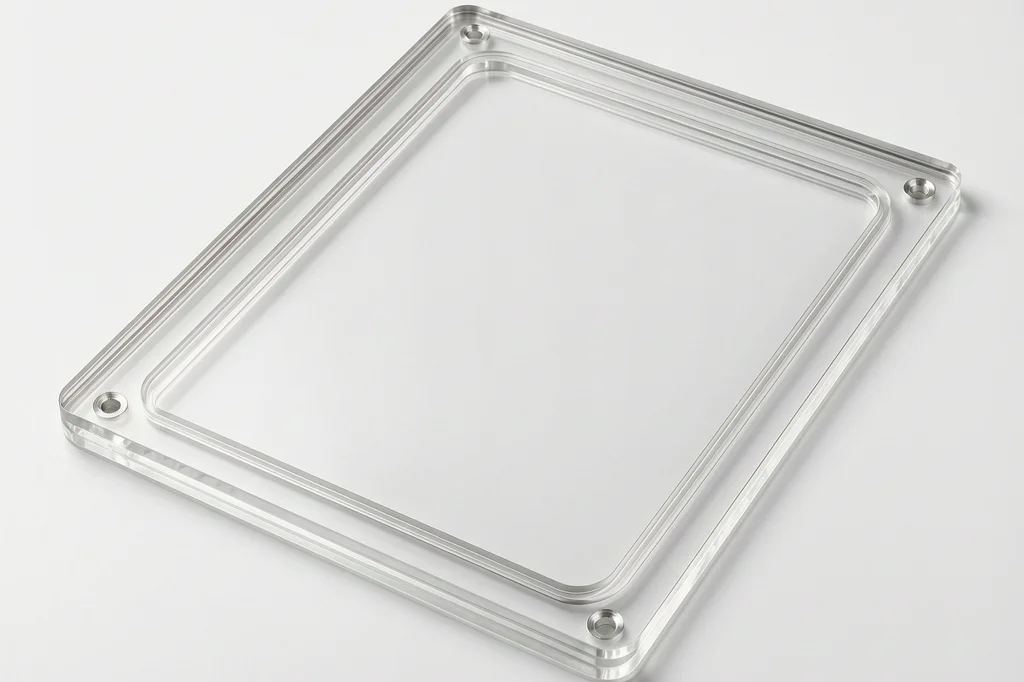
CNC Machining Plastics PC Application in Petrochemical Industry
PC is one of the lightest and toughest polymers, and it is very stable even after many times high temperature, rinse by acid or Alkali, Machining CNC PC parts are well used in the Petrochemical…
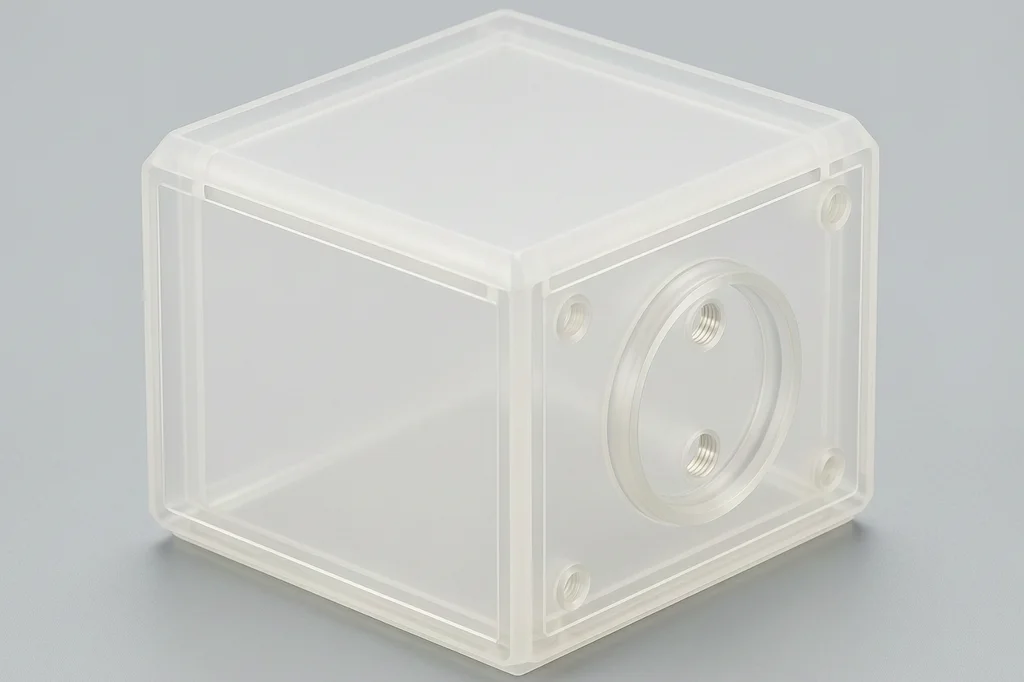
PC Plastics Lathe Milling CNC Machining Service
PC is a high-performance plastic. In recent years, in the electrical and electronic industries, PC precision-machined parts have been used to replace metal to make optical fibre connectors to…
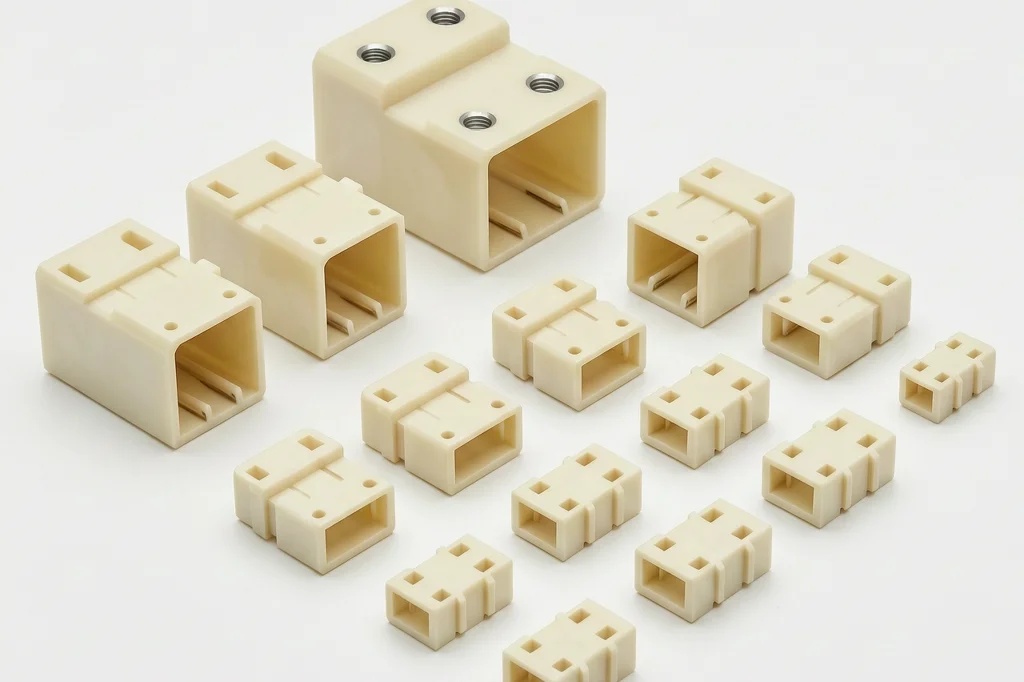
Customized PC CNC Machining Service
The material is a high-end engineering plastic PC, a transparent, high-impact engineering thermoplastic. It is an amorphous high-performance polymer. This material has good mechanical properties, excellent…
Request a Quote for PC Machining Parts
Whether you need a single prototype or a low-volume production run, our engineering team can help evaluate your design and provide a competitive quotation.
Simply Send Us:
- 2D Drawings (PDF)
- 3D Files (STEP, STP, IGES, X_T)
- Quantity Requirements
- Material Specifications
What You Will Receive
- DFM Feedback
- ✓ Competitive Pricing
- ✓ Lead Time Confirmation
- ✓ Inspection Plan
- ✓ Engineering Support