PPS CNC Machining Services
Custom PPS (Polyphenylene Sulfide) Parts Manufactured to Tight Tolerances for High-Temperature and Chemically Demanding Environments.
STEP / STP / IGS / X_T accepted · NDA available
What Is PPS?
Machining of PPS
PPS (Polyphenylene Sulfide) is a semi-crystalline high-performance thermoplastic known for its excellent thermal stability, chemical resistance, and dimensional accuracy.
Unlike many engineering plastics, PPS maintains mechanical properties under elevated temperatures while absorbing very little moisture, making it ideal for precision components.
Please contact our sales and technical teams to learn about how we can provide high-quality machining PPS Engineering plastic services at a fair and competitive price.
Key Properties of PPS Material
| Property | Typical Value |
| Continuous Service Temperature | 220°C |
| Melting Point | 280°C |
| Density | 1.35 g/cm³ |
| Chemical Resistance | Excellent |
| Electrical Insulation | Excellent |
| Moisture Absorption | Very Low |
| Dimensional Stability | Outstanding |
| Flame Rating | UL94 V-0 |
Why Choose PPS for Precision Components?
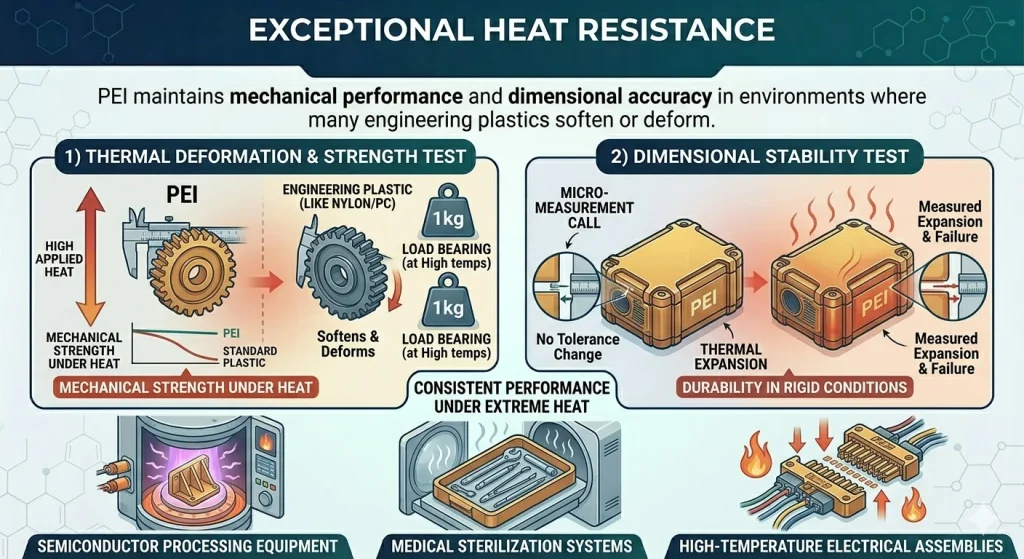
Excellent Heat Resistance
PPS can continuously operate at temperatures up to approximately 220°C.
Ideal for:
- Semiconductor equipment
- Electrical systems
- Automotive under-hood components
Outstanding Dimensional Stability
PPS exhibits extremely low thermal expansion and moisture absorption.
Suitable for:
- Precision assemblies
- Semiconductor fixtures
- Electronic housings
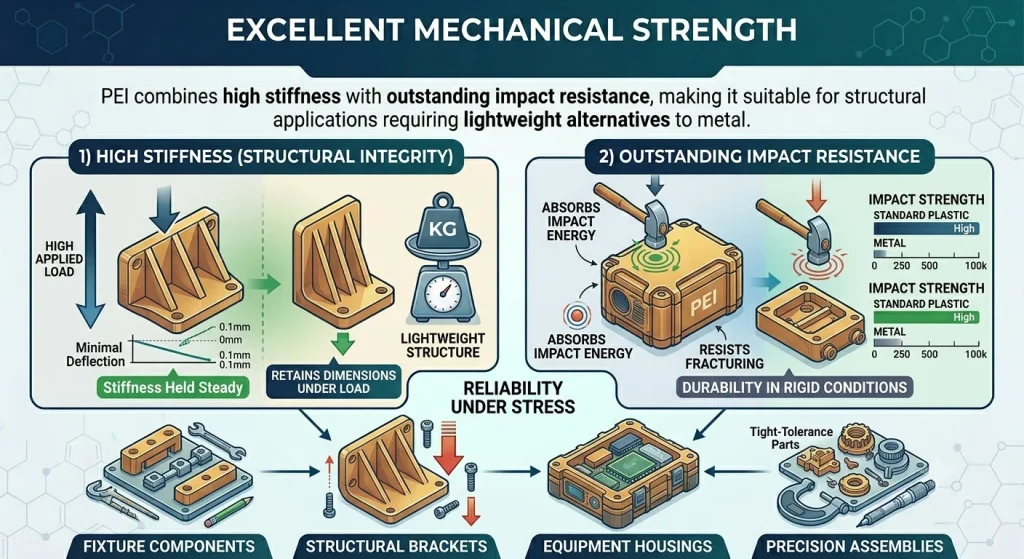

Strong Chemical Resistance
PPS resists:
- Acids
- Alkalis
- Fuels
- Solvents
- Industrial chemicals
Excellent Electrical Insulation
Widely used in:
- Connectors
- Switchgear
- Electrical housings
- Semiconductor systems
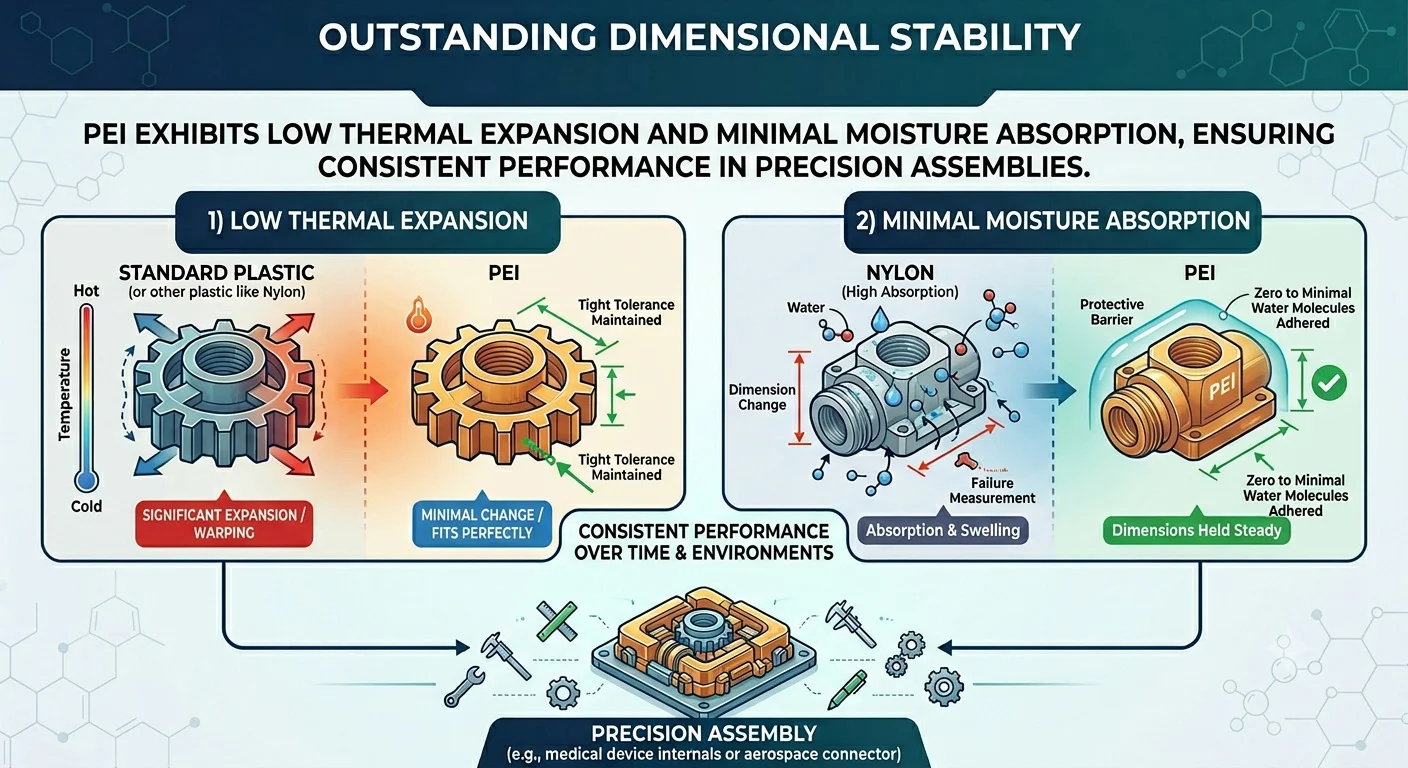
Low Moisture Absorption
PPS maintains dimensional consistency even in humid environments.
PPS Plastic Machining Capabilities
Welcome to PlasticPartsCustom. your trusted partner for high-performance PPS machining capabilities. Our state-of-the-art CNC machines and experienced team of engineers and technicians enable us to produce high-precision, complex parts with tight tolerances and exceptional surface finishes, using PPS, a high-performance engineering thermoplastic.

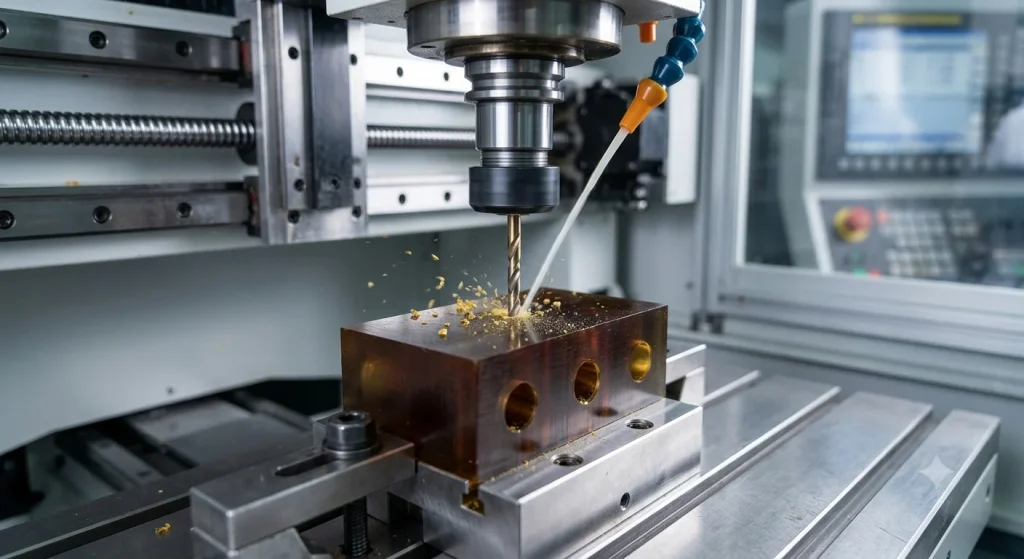
CNC Milling
Our multi-axis machining centers produce complex PPS components with tight tolerances and excellent repeatability.
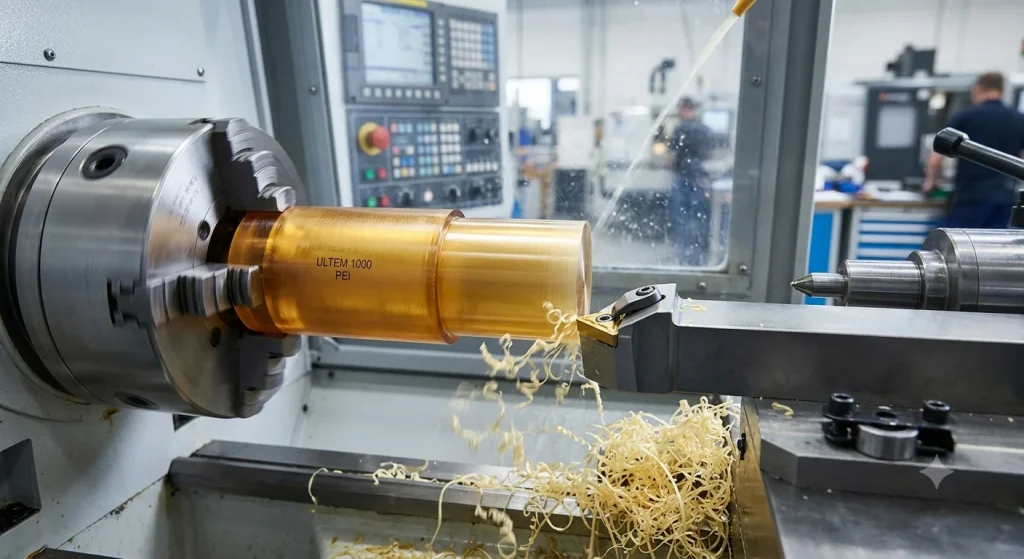
CNC Turning
Manufacturing:
- Bushings
- Rollers
- Sleeves
- Bearing Components
- Seal Rings
Tolerance:
Up to ±0.01 mm
Complex Precision Components
We machine:
- Semiconductor Fixtures
- Vacuum Components
- High-Speed Wear Parts
- Medical Device Assemblies
PPS Grades We Machine
Unfilled PPS
General-purpose grade with excellent chemical resistance and dimensional stability.
Applications:
- Electrical components
- Semiconductor fixtures
- Fluid handling systems
Glass-Filled PPS
Improved stiffness and dimensional stability.
Applications:
- Structural components
- Precision fixtures
- Automation equipment
Mineral-Filled PPS
Enhanced dimensional accuracy and thermal performance.
Applications:
- High-precision industrial components
- Electrical systems
Bearing Grade PPS
Improved wear resistance and friction characteristics.
Applications:
- Bushings
- Bearings
- Sliding components
Available Material Forms
- PPS Rod
- PPS Sheet
- Glass-Filled PPS Rod
- Custom-Cut PPS Blanks
Custom PPS Components We Manufacture
Our PPS machining services support a wide range of custom applications.
Semiconductor Components
- Wafer handling parts
- Vacuum chamber components
- Precision positioning systems
- Electrical insulators
Medical Device Components
- Sterilization-resistant parts
- Precision instrument components
Aerospace Components
- Structural supports
- High-temperature brackets
- Lightweight wear components
Industrial Automation Components
- High-load guides
- Bearing cages
- Wear-resistant fixtures
Common PPS Machining Challenges We Solve
Internal Stress Control
PAI materials can generate internal stress during machining.
Our machining process minimizes deformation and dimensional drift.
Precision Tolerance Management
Specialized fixturing and process control ensure tight tolerances.
Surface Finish Optimization
Custom tooling strategies improve surface quality while preserving dimensional accuracy.
Material Cost Optimization
PAI is one of the most expensive engineering plastics.
Our DFM review helps reduce machining costs and material waste.
Quality Assurance
Available quality documentation:
Material Certificates
COC
FAI Reports
Inspection Reports
Inspection conducted throughout the manufacturing process, not only at final inspection.
Why Choose PlasticPartsCustom for PPS Machining?
| Engineering Plastic Expertise Over 10 years of experience machining high-performance plastics. |
| Tight Tolerances Precision machining up to ±0.01 mm. |
| Advanced Inspection Equipment Mitutoyo CMM Vision Measurement Systems Precision Gauges |
| No MOQ From 1-piece prototypes to low-volume production. |
| Fast Lead Times Typical prototypes delivered within 5–7 working days. |
Industries We Serve
- Semiconductor Equipment
- Medical Devices
- Industrial Automation
- Aerospace
- Electronics
- Scientific Instruments
- Energy Systems
PPS vs PEEK: Which High-Performance Engineering Plastic Should You Choose?
PPS (polyphenylene sulfide) and PEEK are both high-temperature engineering plastics, but they differ in cost, mechanical strength, and chemical resistance profile.
| Property | PPS | PEEK |
|---|---|---|
| Max Service Temperature | 220-240°C | 250°C (480°F) |
| Tensile Strength | 65-85 MPa | 95-100 MPa |
| Flexural Strength | 120-140 MPa | 110-130 MPa |
| Chemical Resistance | Excellent (acids, alkalis, solvents) | Excellent (broader range) |
| Dimensional Stability | Excellent | Excellent |
| Moisture Absorption | Very Low (0.05%) | Very Low (0.1%) |
| Flame Rating | UL94 V-0 (inherent) | UL94 V-0 |
| Electrical Insulation | Excellent | Excellent |
| Wear Resistance | Good | Excellent |
| Machinability | Good | Good (requires experience) |
| Relative Cost | $$$ | $$$$$ |
| Best For | Semiconductor, automotive under-hood, electrical components, chemical processing, pump parts | Medical implants, aerospace, semiconductor, extreme temperature and chemical environments |
Choose PPS if you need excellent chemical resistance, inherent flame retardancy, and good mechanical strength at high temperatures at a lower cost than PEEK. Choose PEEK if your application demands the highest mechanical strength, broader chemical resistance, biocompatibility, or long-term service at temperatures near 250°C.
Not sure which material fits your project? Send us your drawing for a free material recommendation.
Related Materials
Explore other engineering plastics we machine:
| Material | Key Properties | Best For |
|---|---|---|
| PEEK | Higher strength, broader chemical resistance | Medical implants, extreme environments |
| PEI (Ultem) | Flame retardant, high strength, 170°C | Aerospace, medical, electrical |
| PAI (Torlon) | Highest mechanical strength, 260°C | High-load bearings, aerospace bushings |
Frequently Asked Questions
Request a Quote for PPS Machined Parts
Whether you need a single prototype or a low-volume production run, our engineering team can help evaluate your design and provide a competitive quotation.
Simply Send Us:
- 2D Drawings (PDF)
- 3D Files (STEP, STP, IGES, X_T)
- Quantity Requirements
- Material Specifications
What You Will Receive
- DFM Feedback
- ✓ Competitive Pricing
- ✓ Lead Time Confirmation
- ✓ Inspection Plan
- ✓ Engineering Support
Applications of CNC Machined PPS Parts
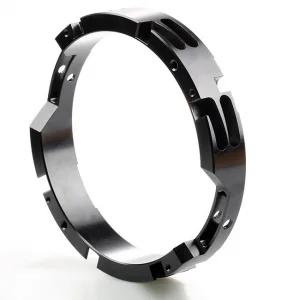
PPS Plastic Parts Machining
The performance of PPS can be similar to that of PEEK material. At the same time, the PPS material cost is relatively low. It is widely used in many industries, such as food and machinery. PPS has…