CNC Machining: A Popular Method of Plastic Parts Custom
The development of modern industry has put forward higher and higher requirements for the application of plastics, and the advantages of using plastic parts to replace aluminum, steel, copper, cast iron, and other parts are increasingly obvious.
Therefore, plastics are widely used in automobiles, household appliances, etc., such as making wiring boards, circuit boards, and insulating materials in motors and household appliances; Make bushing gaskets, ball seats, bearing retainer, transmission worm gear, gear, nut, pipe joint and belt pulley in automobiles, bearings, machine tools, and instruments.
Methods Of Plastic Production
CNC machining and injection molding have become the main methods of plastic product production, but only mechanical CNC Machining processing can obtain accurate and economic solutions,.
Such as cutting the gate, riser, flash, etc. of plastic parts by mechanical processing. For plastic parts such as plates and bars, cutting and punching are used for machining. CNC processing of plastics has been closely related to people’s lives and is widely used in industries, agriculture, medicine, national defense, and other fields. CNC machining technology and the programming of plastics have been paid more and more attention.
Advance Of CNC Machining
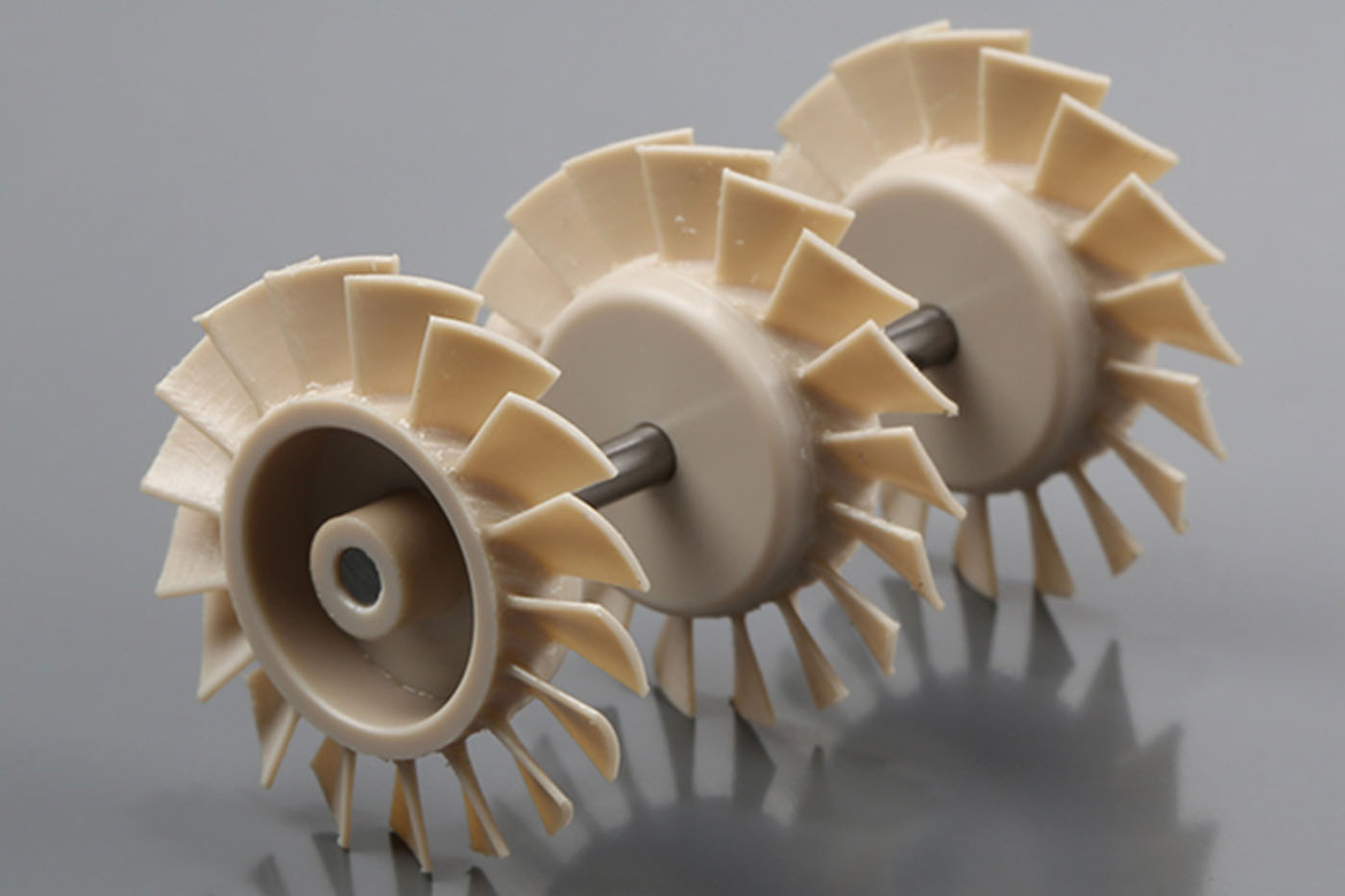
One of the key advantages of CNC machining for plastic parts is the ability to produce highly customized solutions. By utilizing computer-controlled cutting tools, CNC machines can accurately replicate complex geometries and features that would be challenging or even impossible to achieve through traditional manual machining processes.
CNC machining offers versatility in the types of plastic materials that can be utilized, ranging from common thermoplastics like ABS and polycarbonate to specialized engineering plastics like PEEK and PEI. This broad material compatibility enables manufacturers to select the most suitable plastic for their specific application requirements, whether it be strength, heat resistance, or chemical compatibility.
Another benefit of CNC machining for plastic parts is the ability to achieve tight tolerances and exceptional surface finishes. The computer-controlled nature of the process, combined with the use of high-precision cutting tools, allows for the fabrication of parts with intricate details and tight dimensional accuracy. This is particularly important for applications where fit, form, and function are critical.
CNC machining also offers advantages in terms of scalability and efficiency. While suitable for low-volume production, the automated nature of the process makes it a cost-effective solution for medium to high-volume manufacturing as well. Additionally, CNC machines can operate with minimal human intervention, reducing labor costs and improving overall productivity.
As manufacturers seek to create increasingly complex and customized plastic parts, CNC machining has emerged as a popular and versatile solution. By leveraging the precision, flexibility, and efficiency of this technology, companies can bring their innovative plastic part designs to life, meeting the evolving demands of their customers and industries.
